
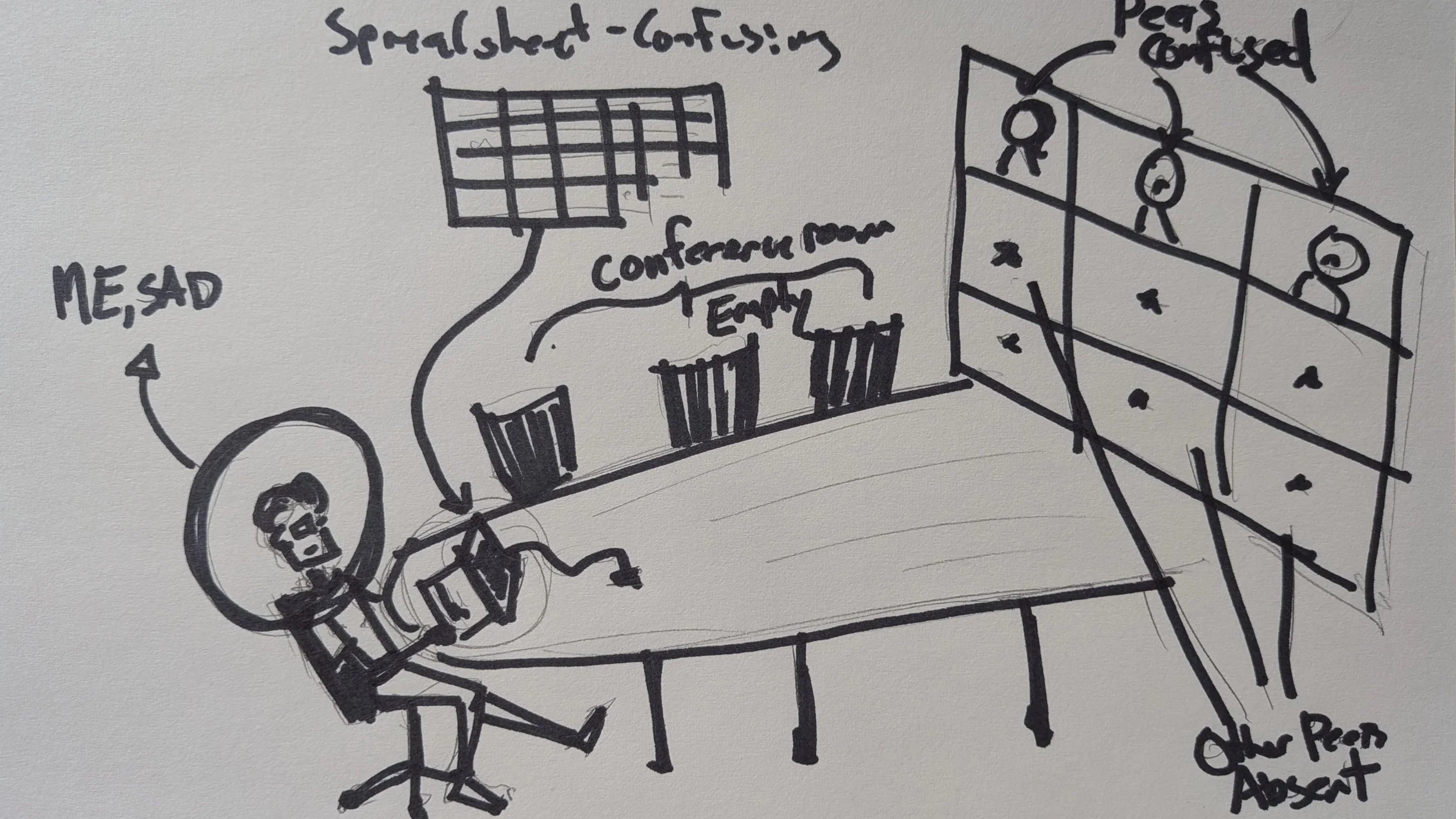
Ecosystem Mapping
Map your relationships to take control of what seems uncontrollable
What are Ecosystems?
You may remember learning about ecosystems in middle school science. There was maybe even a picture in your text book showing the water cycle, a backyard pond, or the food chain to go along with the lesson. Nature is a bountiful ecosystem and also a combination of intersecting ecosystems that make up the whole. Our lives are pretty similar. We’re a part of nature, but the relationships and interactions of our working lives is a no-less complex ecosystem that has a lot of impact on us and our well being. It’s also, often, very mysterious.
Ecosystem mapping helps us understand the mystery. When we look at the basics, all of these things are just a set of objects and the connections between those objects. Provided we define a clear border and level of detail for ourselves to limit the noise, we can map those relationships. And when we can map something? That gives us back a sense of control.
Download the KSF Ecosystem Worksheet
Sign up for the KSF newsletter for monthly deep dives on topics like this and get the worksheet for free.
The Basic Steps of Ecosystem Mapping
A beautiful professional tool - perfect for team workshops, personal reflection, and as a centerpiece on your office desk.
Set the Context: Define the goals and the approach for why we are doing this exploration.
Example: To better understand the friction in our daily business operations.
Choose the Center: Decide the central focus of the diagram and why.
Example: To help you unpack the ecosystem around you, use yourself.
Build Out: Make connections starting from the center until you reach the boundary.
Example: People you interact with, meetings you attend, dashboards you review.
Observe and reflect on the patterns and insights that start to emerge.
Example: Who is further away than you expected? What meeting is a surprising lynchpin for the team?
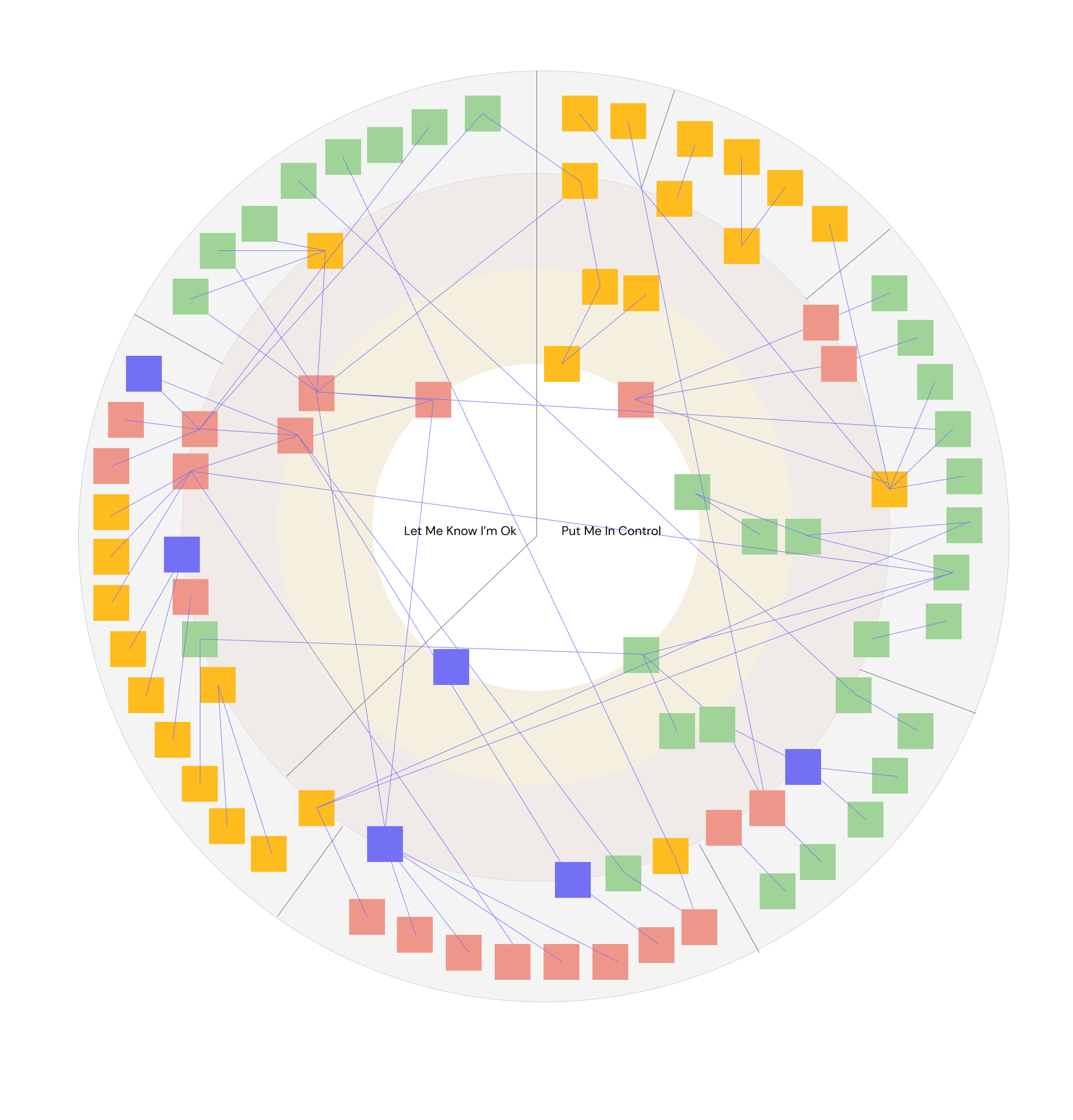
The 30 Minute Personal Ecosystem Workshop
If you have 30 minutes in your day mercifully free from meetings, you can do this for yourself and start taking control immediately. For context, we will be looking at your ecosystem through 3 types of objects:
PEOPLE: The humans you interact with or that have an impact on your life at work. Peers, bosses, partners, leadership, clients.
RITUALS: The meetings, ceremonies, events that take up your day, week or month. Standups, 1:1s, monthly reviews, team meetings
ARTIFACTS: The documents, dashboards spreadsheets and tools that you reference or use. Date reports, roadmaps, technical or design specifications, strategy documents, briefings.
You can either download a copy of the KSF worksheet or just take a piece of paper and place yourself at the center surrounded by 3 expanding rings - these represent your inner circle closest in and the strength of the connection fades as you move outward.
Round 1: The People (5 minutes)
Start adding the people in your orbit to your map. Your closest allies and influencers all the way out the wave makers you may not interact with regularly but that influence your work and your life.Round 2: The Rituals (5 minutes)
Now switch to the rituals. Think of the meetings or asynchronous workplace ceremonies you attend or participate in daily, weekly, monthly or yearlyRound 3: The Artifacts (5 minutes)
Lastly, add the artifacts. The documents, dashboards specifications that you contribute to, reference, or manage.Stressors (5 minutes)
You now have a rough map of your world. Now, look it over. Identify what in this ecosystem is causing you the most stress or swirl.Pinpoint 2 stressors that are out of your control. These are important to note, so we can emotionally set them aside.
Pinpoint 2 stressors that you can influence. These are the sweet spots. These are the leverage points in your ecosystem.
Commitment (5 minutes)
With your stressors identified, write out just 1 clear commitment that you can take on in the next 7 days to influence one of those stressors. This could be setting up time with a colleague to start improving a relationship, or shifting a meeting agenda that isn’t quite working. It might even mean declining a meeting that isn’t serving you anymore. It doesn’t have to be huge. Small changes can have enormous ripple effects on your ecosystem. Just ask the wolves of yellowstone.